The Art of Hosting: Why Hospitality Is Worth Learning
I love having people in our home.
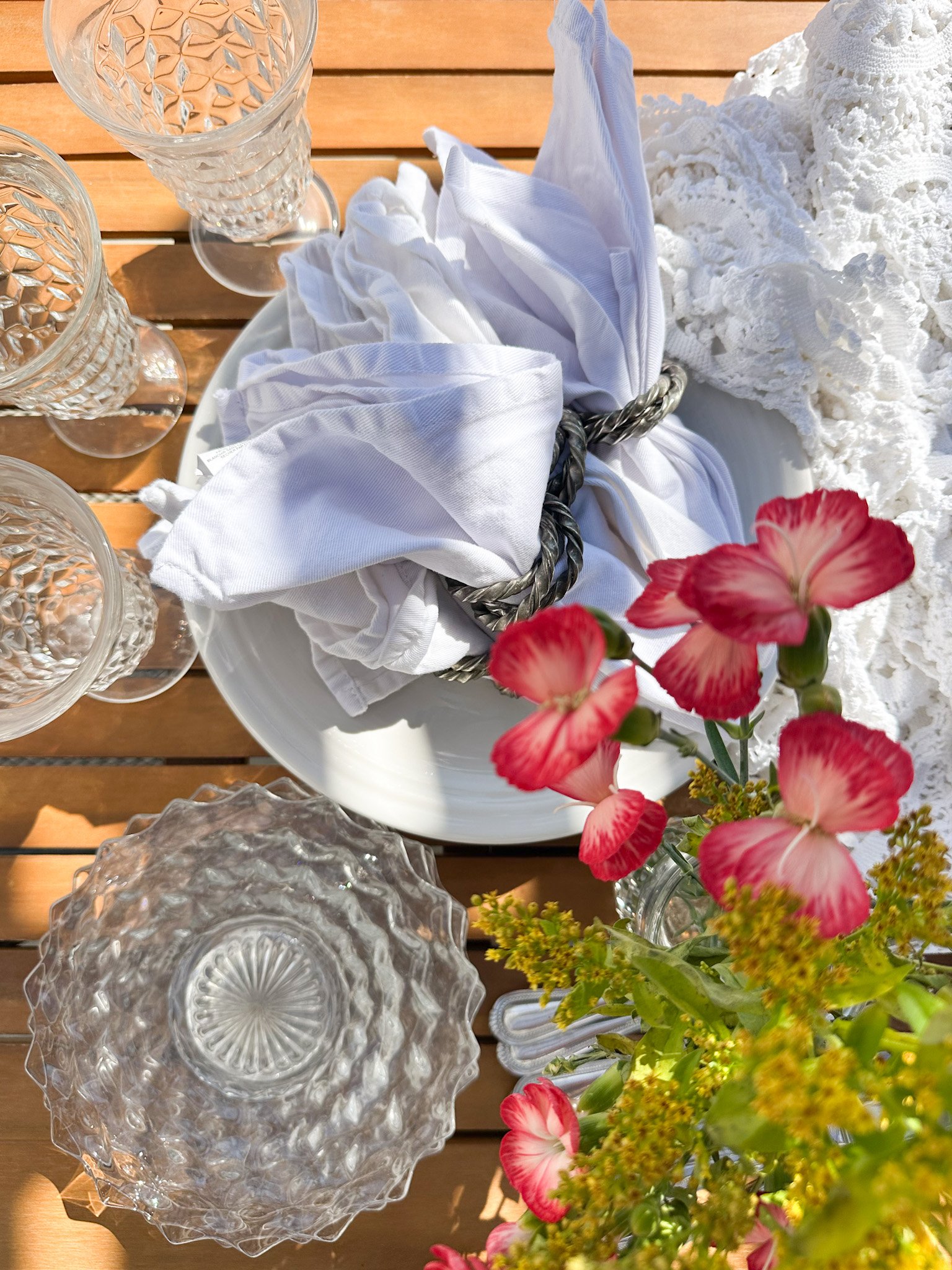
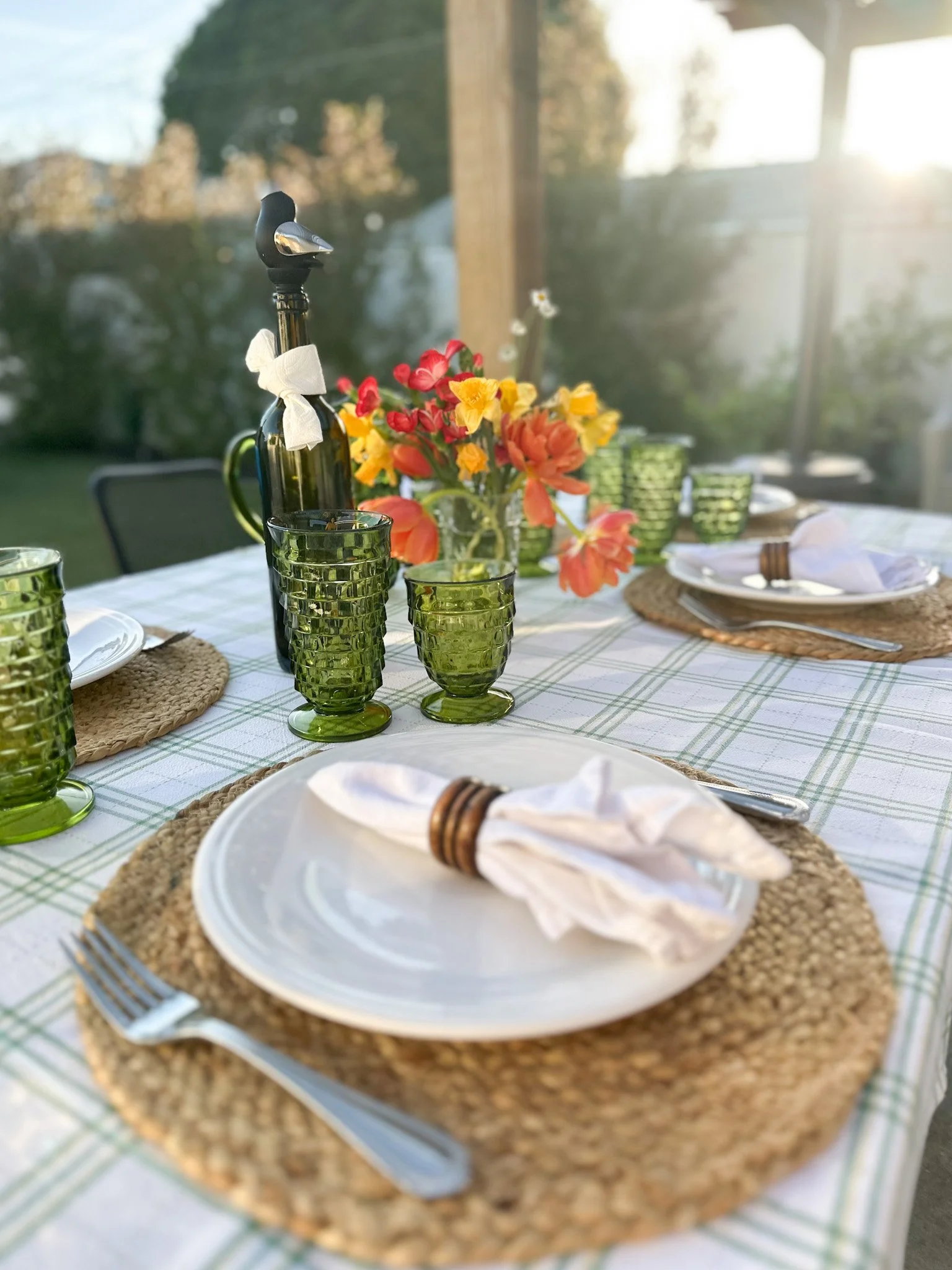
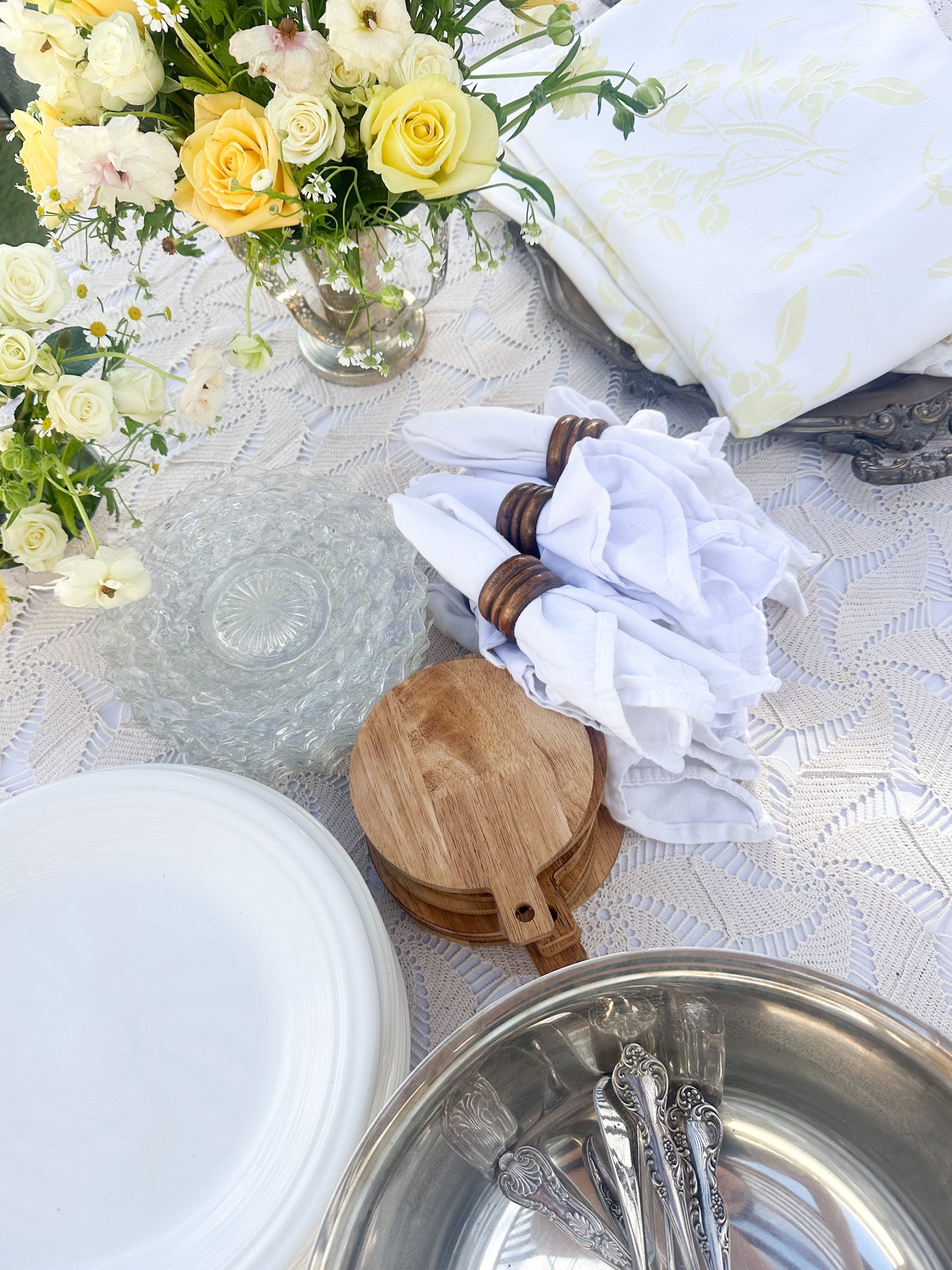
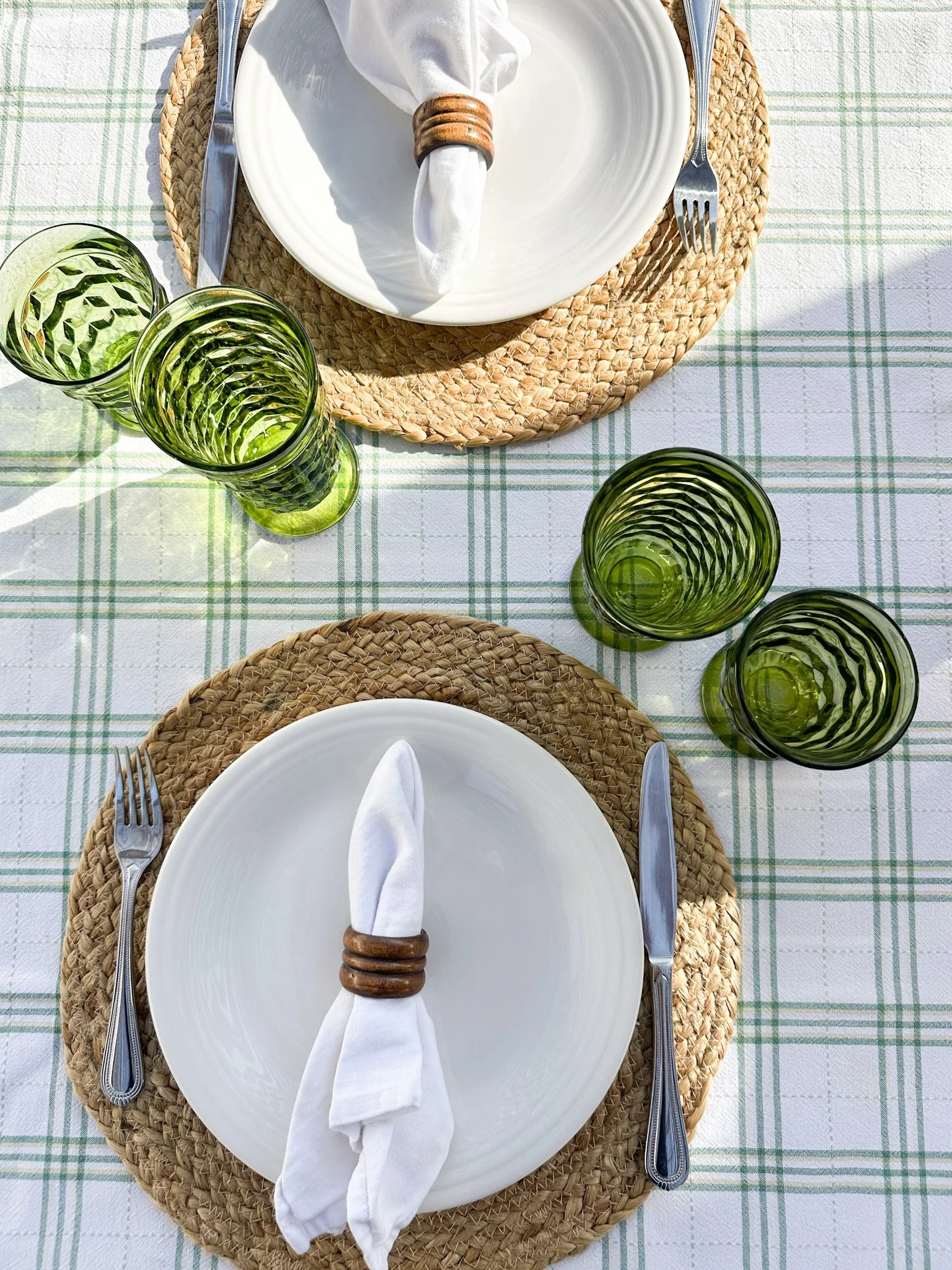
I love setting the table, pulling out the dishes, making something from scratch, arranging flowers, and thinking through the little details that make an evening comfortable.
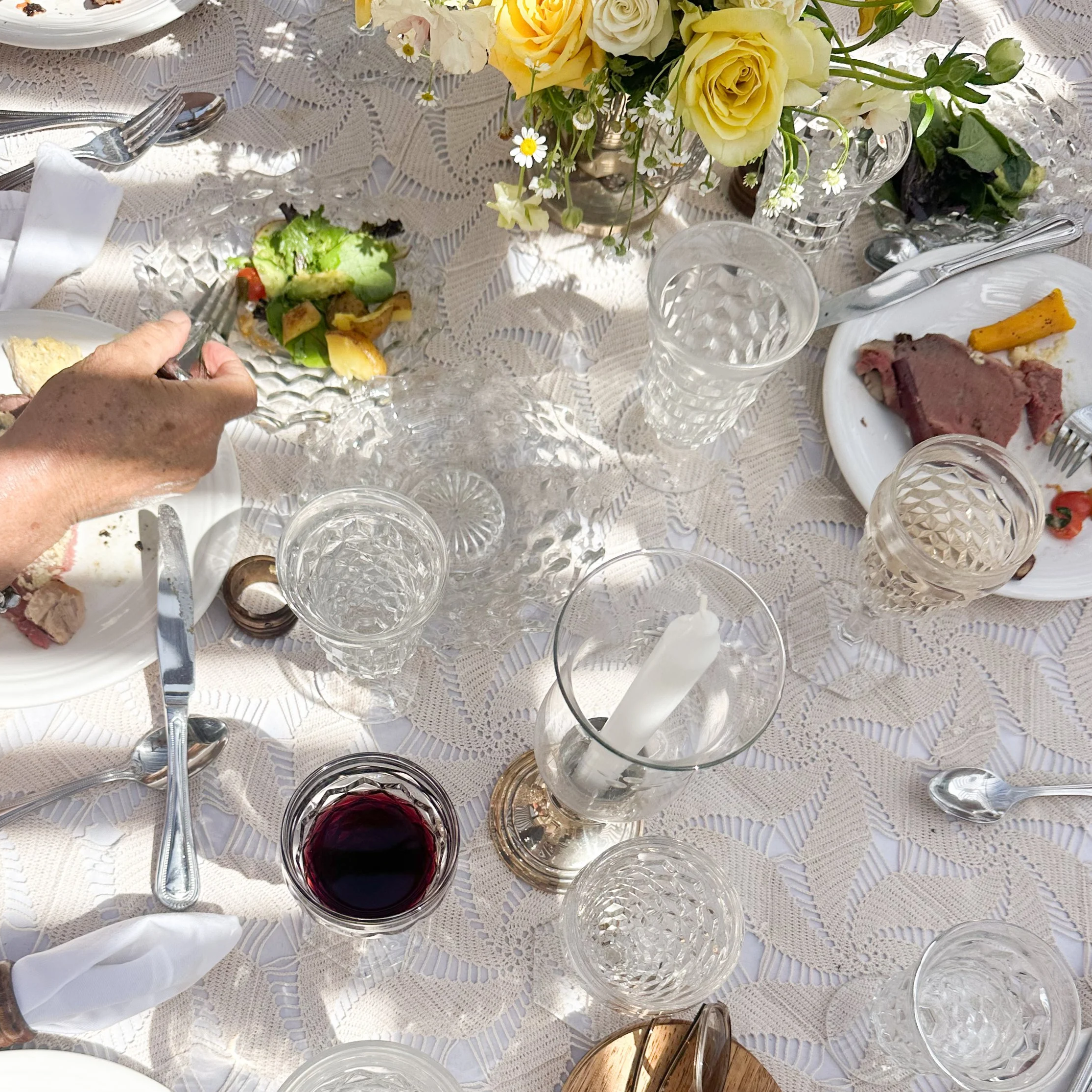
And I love what happens after all of that—the door opening, everyone finding a seat, the conversation beginning, and eventually realizing that hours have passed.
I think people are worth making room for.
That's really where my love of hospitality begins.
Not with the table setting or the menu or whether the house looks just right, but with the belief that people matter, and gathering together is worth the effort it takes to make it happen.
I was reminded of this recently while flipping through an old Martha Stewart book. One line in particular caught my attention:
“It doesn’t matter what sort of party you host… it’s spending time together that’s important.”
I think that's exactly right.
But I also think the work we put into hosting matters.
Not because our guests are judging us.
Because care is often expressed through effort.
Hospitality Is Worth Learning
I don't think everyone is naturally good at hosting.
And I don't think we should expect ourselves to be.
Hosting is a skill.
There are things you can learn that make having people in your home easier, more comfortable, and more enjoyable for everyone.
You can learn how to plan a simple menu.
You can learn what can be prepared ahead of time.
You can learn how to set a table.
You can learn how to make your home comfortable for guests.
You can learn how to welcome someone at the door, how to serve a meal without disappearing into the kitchen, and how to keep the evening moving naturally.
You can even learn what to do when dinner doesn't go according to plan.
Because sometimes the dessert burns.
Sometimes you realize you forgot something at the grocery store.
Sometimes the meal takes longer than expected and everyone is standing around the kitchen hungry.
That's part of it.
We learn, we laugh, we adjust, and we host again.
I don't want hospitality to feel like a performance that only people who already know what they're doing are allowed to participate in.
I want it to feel like something we can practice.
Prepare Because People Matter
This is where I think preparation becomes important.
If people matter, then making a little room for them in our lives matters.
Sometimes that means cleaning the house.
Sometimes it means making a homemade meal.
Sometimes it means setting the table earlier in the day so you're not doing it while your guests are arriving.
Sometimes it means putting flowers in a vase or pulling out the dishes you love.
None of these things are the point.
But they can be expressions of the point.
When someone walks into a clean, comfortable home and sits down to a meal you've taken the time to prepare, they're receiving more than food.
They're receiving care.
And I think that's worth something.
Make the Home Peaceful
This is also why I care about homemaking.
A peaceful home doesn't happen entirely by accident.
There is work involved.
Cleaning matters.
Order matters.
Comfort matters.
Beauty matters.
Learning to cook matters.
Taking care of the things we own matters.
Not because our homes need to look impressive, but because our homes are where our lives happen—and often where other people are welcomed into those lives.
I want our homes to be places where people can exhale a little.
Where the table is cleared and ready for dinner.
Where there is something good to eat.
Where beautiful things are actually used.
Where people aren't afraid to put their elbows on the table.
Where children learn that setting another place at the table is simply part of being a family.
That's the kind of home I'm interested in creating.
Use the Good Things
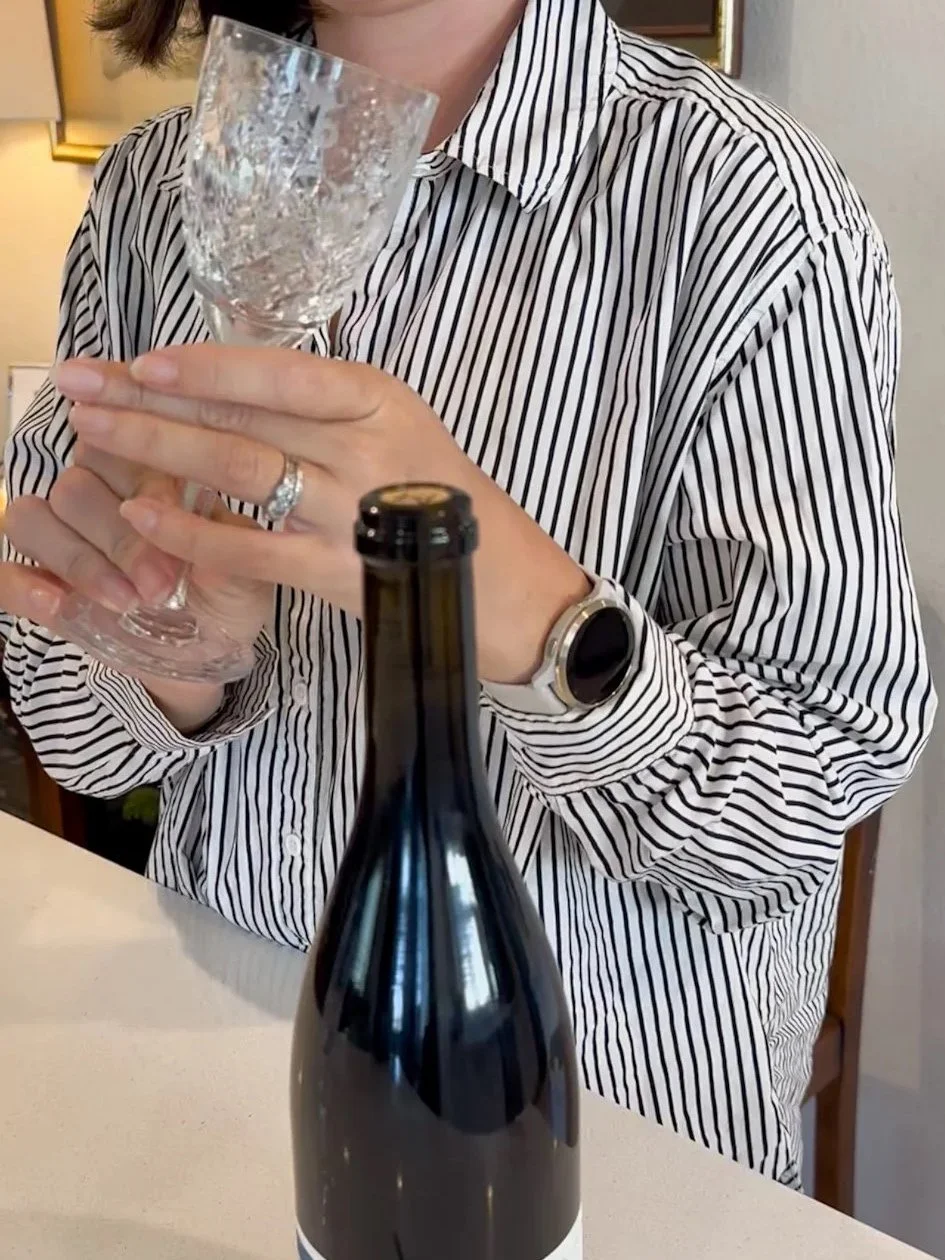
I have always loved the idea that the beautiful things in our homes shouldn't spend their entire lives waiting for a special occasion.
Use the good dishes.
Light the candles.
Put flowers on the table.
Open the bottle you've been saving.
Make the cake.
Wear the dress.
Invite people over on a Tuesday.
There is something lovely about giving ordinary life a little care.
And I don't think that contradicts the idea that our homes don't have to be perfect.
Actually, I think the two ideas belong together.
We don't need perfection.
But we can still have standards.
We can still care for our homes.
We can still learn to cook well.
We can still make an effort.
We can still want our homes to be beautiful and comfortable.
The difference is knowing why we're doing it.
And Then Sit Down
One of the best things you can learn about hosting is when to stop preparing.
There comes a point when the house is clean enough, the table is ready, the food is prepared, and the rest can wait.
That's when you open the door.
You welcome people in.
You pour the wine.
You sit down.
You listen.
You laugh.
You let the conversation wander.
And maybe, at some point, you realize that the kitchen is a mess and nobody cares.
That's hospitality, too.
The preparation creates the setting.
But the gathering is the reason for it.
If You're Not Comfortable Hosting Yet
Start small.
Invite one or two people over.
Make something you already know how to make.
Set the table before they arrive.
Make dessert ahead of time.
Ask a friend to bring something.
Learn what works.
Next time, try something a little different.
Then do it again.
You don't have to become an expert before you begin.
But I do think hospitality is worth learning.
Because people are worth making room for.
Community is worth cultivating.
Ordinary life is worth enjoying together.
And there is something deeply meaningful about saying to someone, in a hundred little ways:
I thought of you.
I made a place for you.
Come sit down.
That's the kind of hospitality I want to practice—and the kind I hope to encourage others to practice, too.
Not perfect hospitality.
Not effortless hospitality.
Thoughtful, practiced, warm-hearted hospitality.
The kind that makes a home feel like a place where people are cared for.